In rubber seal purchasing, many problems do not begin in production. They begin much earlier, when the specification is incomplete.
For many industrial buyers, a rubber seal inquiry starts with a part name, a size, a drawing, or a sample photo. That information is helpful, but it may not be enough to confirm the right material, structure, tolerance, hardness, packaging method, or inspection standard.
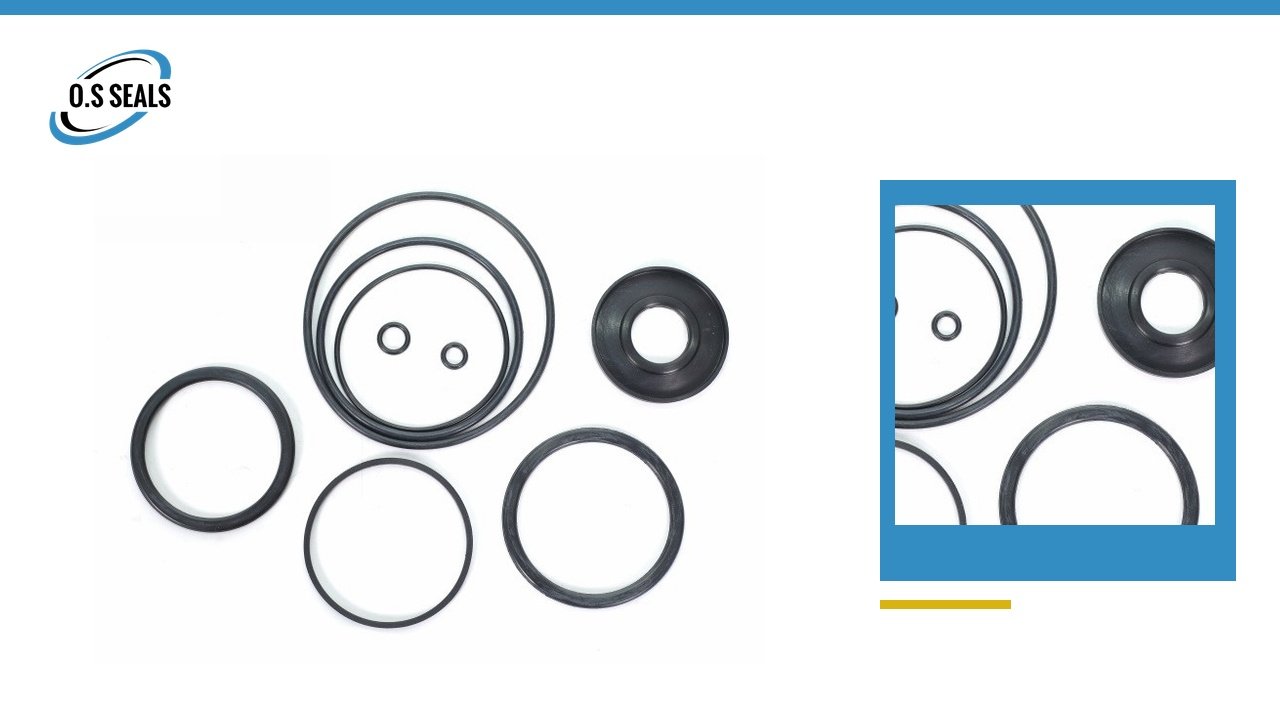
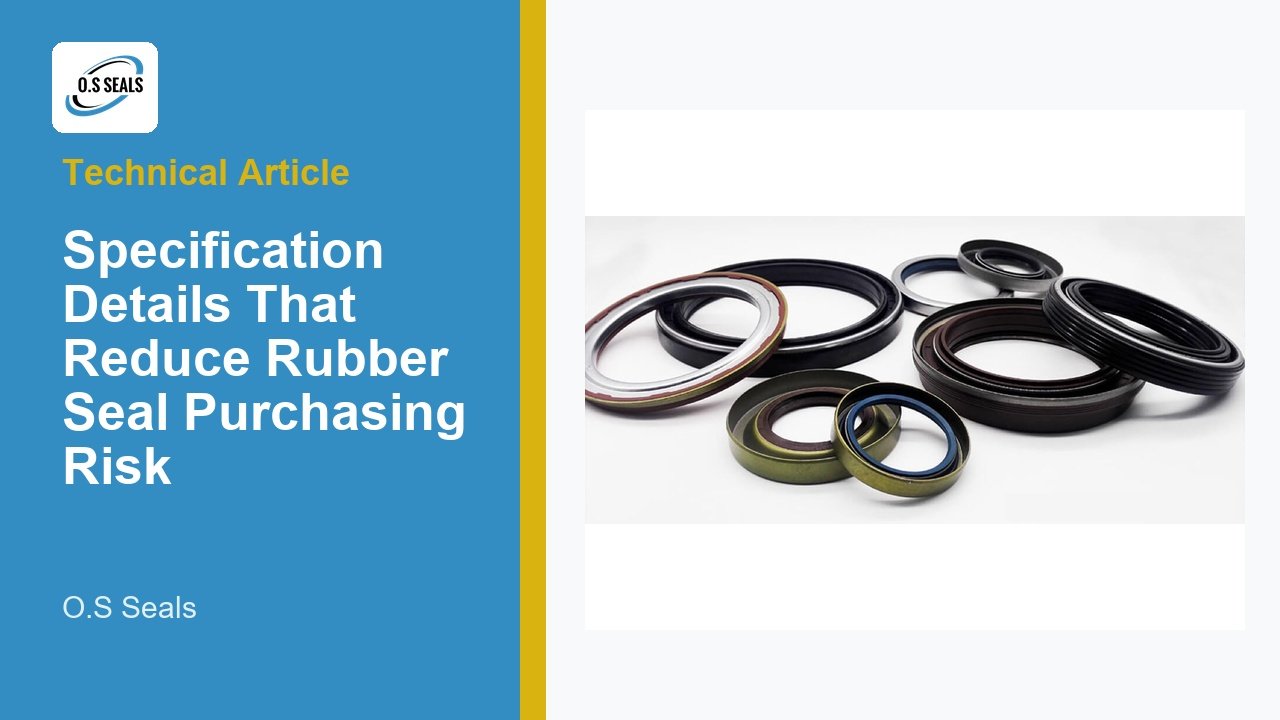
This is especially important for O-rings, oil seals, bonded seals, hydraulic seals, rubber gaskets, and custom rubber parts used in OEM equipment or maintenance programs. These products often look simple, but small differences can affect sealing performance, service life, and batch consistency.
A reliable rubber seal supplier should not only quote a price. The supplier should help the buyer identify the missing details that may create quality risk later.
Below are the specification details that can reduce purchasing risk before an order moves into sampling or mass production.
1. Product Name Is Not the Full Specification
A product name is only the starting point.
For example, “O-ring” does not explain the rubber compound, hardness, tolerance, temperature range, chemical exposure, or application type. “Oil seal” does not explain the lip design, metal case type, spring requirement, dust lip, shaft speed, or working environment. “Bonded seal” does not explain the metal washer material, surface treatment, rubber material, or bonding quality requirement.
If the inquiry only includes the product name and size, the supplier may be forced to make assumptions. Those assumptions may be correct for a standard stock item, but they may be risky for an OEM project or a replacement part used in demanding conditions.
Before confirming a rubber seal order, buyers should make sure the product description includes not only what the part is called, but how the part is expected to work.
2. Material Should Match the Working Environment
Material selection is one of the most common sources of hidden risk.
NBR, FKM, EPDM, HNBR, Silicone, PU, PTFE, and other materials each have different strengths and limitations. A material that works well with mineral oil may not be suitable for hot water, steam, brake fluid, aggressive chemicals, or outdoor ozone exposure.
For example, an NBR O-ring may be cost-effective for many oil-resistant applications. FKM may be selected when higher temperature or chemical resistance is required. EPDM may be suitable for water, steam, and weather exposure, but it is not usually selected for petroleum oil applications.
The risk is not only material name. Compound grade, hardness, color, certification requirement, and long-term supply stability can also matter.
For B2B purchasing, material confirmation should be linked to:
– working medium
– temperature range
– pressure range
– indoor or outdoor use
– static or dynamic sealing
– expected service life
– regulatory or customer-specific requirements
When these details are clear, the quotation becomes more reliable.
3. Hardness and Tolerance Affect Performance
Hardness is often treated as a simple number, but it can affect installation, compression, sealing force, and wear resistance.
For many O-rings and rubber molded parts, 70 Shore A is common. But common does not always mean correct. A softer compound may seal better under low pressure, while a harder compound may resist extrusion or deformation in certain conditions.
Tolerance is another important detail. Two seals may have the same nominal size, but different tolerance ranges can create different assembly results.
For standard parts, international standards or agreed tolerance classes may be enough. For custom rubber parts, the drawing should clearly define critical dimensions, acceptable tolerance, flash requirements, surface finish, and inspection points.
When a buyer compares suppliers only by price, tolerance control is often overlooked. But tolerance stability is one of the reasons a low-cost part can become expensive after assembly problems occur.
4. Application Conditions Should Be Shared Early
A seal is not selected in isolation. It works inside a system.
For oil seals, shaft diameter, shaft speed, shaft surface condition, temperature, lubricant, pressure, and contamination level all matter. For hydraulic seals, pressure, movement type, speed, groove design, and fluid compatibility should be reviewed. For diaphragms used in pumps or valves, movement frequency, fabric reinforcement, PTFE layer, rubber backing, and working medium may affect the design.
If the supplier only sees a sample photo, they may reproduce the shape but miss the real operating requirement.
Sharing application conditions early does not always mean disclosing confidential machine details. In many cases, simple practical information is enough:
– What equipment uses the seal?
– Is it static or dynamic?
– What medium contacts the rubber?
– What temperature and pressure are expected?
– Is the application exposed to dust, water, oil, or chemicals?
– Is the order for maintenance replacement or OEM assembly?
These answers help the supplier recommend a more suitable solution and avoid unnecessary trial-and-error.
5. Sample Approval Should Include More Than Appearance
Sample approval is not only about whether the sample “looks right.”
A rubber seal sample should be checked against the actual specification. This may include dimensions, hardness, material, surface quality, bonding condition, lip shape, packaging, and performance-related details.
For custom rubber parts or OEM rubber parts, buyers should keep approved samples, drawings, inspection records, and material confirmation together. If a project is transferred to a new supplier later, these records help reduce communication mistakes.
For repeat orders, the approved sample should become a reference point for mass production. Without this reference, small changes in material, mold condition, surface finish, or packaging may go unnoticed until assembly or field use.
Good sample approval creates a bridge between engineering, purchasing, quality control, and production.
6. Packaging and Labeling Can Also Reduce Risk
Packaging may seem less technical than material or dimensions, but it still affects purchasing reliability.
Rubber seals can be damaged by deformation, dust, moisture, oil contamination, excessive compression, or poor storage conditions. For small O-rings and precision molded parts, mixed sizes or unclear labels can also create serious warehouse and assembly problems.
For distributors, maintenance buyers, and OEM buyers, packaging should be confirmed before bulk shipment:
– quantity per bag or carton
– label format
– part number
– material or batch reference
– customer code if required
– protective packaging for delicate profiles
– export carton strength
Clear packaging reduces receiving mistakes and makes future repeat orders easier to manage.
7. Inspection Standards Should Be Agreed Before Production
Quality control should not be discussed only after a problem appears.
Before production, both buyer and supplier should agree on what needs to be inspected and what standard will be used. For some standard O-rings or oil seals, routine dimensional and visual inspection may be enough. For critical parts, additional checks may be required.
Possible inspection points include:
– critical dimensions
– hardness
– material confirmation
– visual surface defects
– flash and trimming
– bonding quality
– lip condition
– packaging and labeling
For some industries, buyers may also need material certificates, PPAP documents, first article inspection, or specific test reports. These should be discussed before order confirmation, not after the goods are ready.
Clear inspection expectations help both sides avoid disputes and build a more stable supplier relationship.
8. Supplier Communication Is Part of Risk Control
A good supplier does not only answer the requested price. A good supplier asks the right questions before quoting.
For B2B rubber seal purchasing, the lowest quotation is not always the safest option. If the specification is incomplete, a low price may simply mean important details were not included.
A professional supplier should help the buyer clarify product type, material, working conditions, tolerance, sample approval, inspection, and packaging. This process may take more time before the order, but it often saves much more time after the order.
For purchasing managers, engineers, and quality teams, this communication is not extra work. It is part of purchasing risk control.
Rubber seals may look simple, but reliable purchasing depends on clear specification details.
Product name, size, material, hardness, tolerance, application conditions, sample approval, packaging, and inspection standards all influence whether the final parts will perform consistently.
For O-rings, oil seals, bonded seals, hydraulic seals, rubber gaskets, and custom rubber parts, better specification work helps reduce wrong samples, production delays, quality disputes, and repeat-order uncertainty.
O.S Seals supports industrial buyers with product review, material discussion, sample development, and custom rubber seal supply. If you are preparing a new project or transferring an existing rubber seal order, our team can help review the key details before production.
Contact: info@oilsealfactory.com
Website: www.oilsealfactory.com