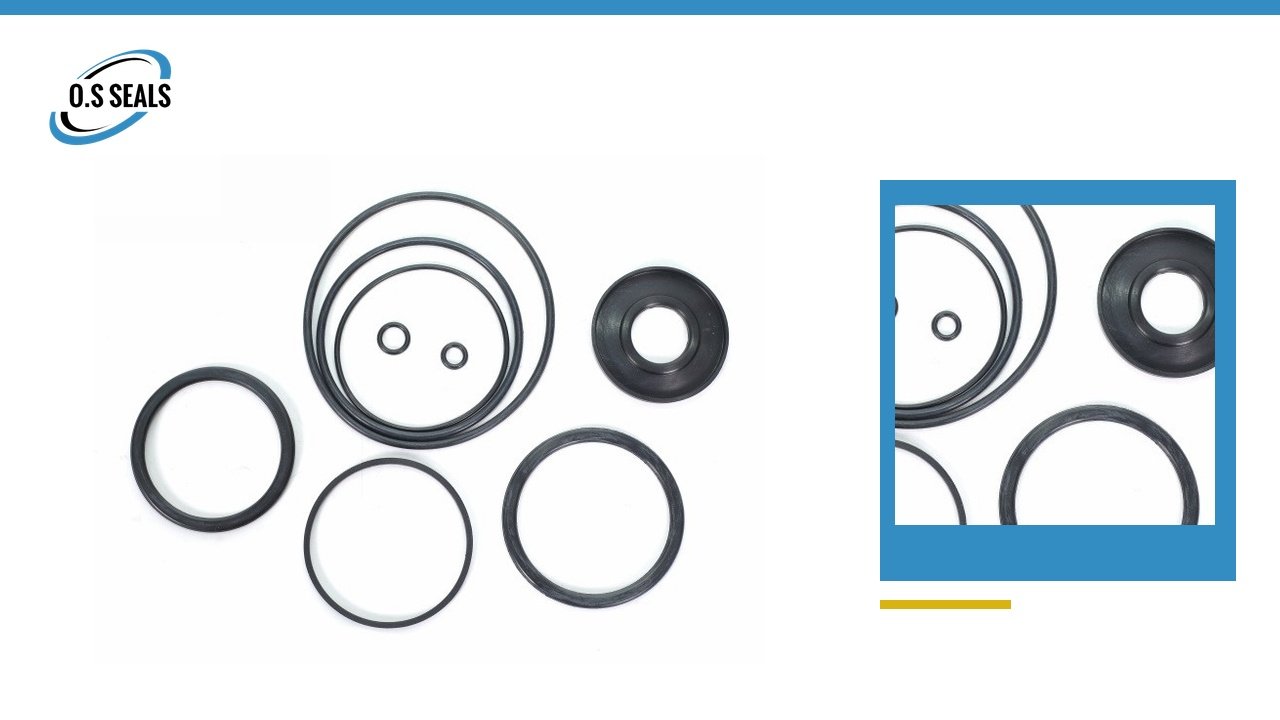

Industrial buyers sometimes face a deceptively simple question: can the rubber seals already in stock still be released for use? A date label may provide a starting point, but the decision also needs the relevant material reference, storage information and acceptance requirements. Without those connections, a quick answer can hide important uncertainty.
For purchasing teams, the objective is to organise the evidence and route the decision to the right people. It is not to replace the responsible engineering or quality review with a generic shelf-life number. Different compounds, products and customer requirements can call for different treatment.
This article sets out a practical stock-review workflow for O-rings and other industrial rubber seals. It discusses storage before installation, rather than predicting operating life after installation. Any specific time limits or test requirements should come from the applicable material guidance, product specification and customer requirements.
1. Identify Exactly What Is in Stock
Begin with the product identity. Connect the item to its controlled part number, drawing revision where applicable, material reference and supplier information. A description such as “black rubber ring” is not an adequate basis for a technical release decision.
For an NBR O-Ring or FKM O-Ring, the polymer family is useful information, but it does not necessarily identify the complete approved compound. Record the available compound reference and the source of that information. Do not use colour as proof of material identity.
Check whether the stock contains one identified batch or several lots combined under a single warehouse location. If the records distinguish them, preserve that distinction during the review. If identification has been lost, record the gap rather than assigning a reference by visual similarity.
The output of this first step is an evidence list: confirmed information, information still requested, and the person responsible for resolving each open point.
2. Keep Date Records and Storage History Separate
Date information can mean different things. A manufacturing date, dispatch date and warehouse receipt date do not describe the same event. Make the meaning clear before comparing the record with an applicable storage requirement.
Then consider what is known about the storage history. Supplier guidance commonly addresses environmental exposure and avoiding deformation; those factors deserve attention alongside elapsed time. A date alone cannot establish that suitable conditions were maintained.
Ask which records are actually available, rather than requesting a perfect history that nobody collected. The warehouse may have location records, receipt photographs, handling instructions or records of a move between storage areas. Those documents can help the responsible reviewer understand the available evidence.
Where history is incomplete, keep that uncertainty visible. A purchasing preference to use existing stock does not fill an evidence gap, and an old receipt date does not by itself establish that a part must be rejected.
3. Define the Applicable Requirements Before Judging the Stock
The stock review needs a decision framework. Identify any customer-specific requirements, controlled product specifications and relevant material or supplier guidance. Determine who is authorised to interpret them and approve a release.
Do not apply an aerospace requirement automatically to every industrial purchase. The scope and contractual applicability of any standard need to be established for the project. Similarly, a general technical handbook should support the review without silently replacing an agreed customer specification.
Write down which questions the review must answer. Does the stock identity match the order? Are the available records sufficient? Is further inspection or testing required? Does an unresolved issue need engineering input?
Keeping these questions separate prevents one favourable observation from becoming an unrestricted approval. It also gives purchasing a clear basis for asking the supplier for missing documents rather than sending a broad request for reassurance.
4. Review Packaging and Physical Condition Within an Agreed Scope
Packaging has a practical role in protecting the parts and keeping their identity connected to the records. Review whether it is intact, whether it has been opened, and whether the contents can still be traced to the identified stock.
If packaging is damaged or the parts show an unexpected condition, document the observation and route it for review. A photograph and a precise description are more useful than a vague statement that the parts look “old”. Avoid cleaning or altering evidence simply to make a stock photograph look acceptable.
Visual examination has limits. It cannot confirm every material property or demonstrate suitability for every operating condition. The responsible reviewer should decide whether further evidence is needed and define the scope of that evaluation.
Record the inspection method and result against the identified stock. That keeps the observation usable when another team member reviews the decision later.
5. Control Opened Packages and Split Quantities
A stock-control system can lose information after the first package is opened. Parts may move to a smaller bag, a production container or a maintenance kit while the original label remains behind.
Agree what identification should accompany a split quantity. The requirement should be practical enough that the receiving and warehouse teams can follow it consistently. At minimum, preserve the connection to the applicable item and the records needed for the project.
Avoid combining unidentified leftovers simply because they appear to be the same size. If stock from different records is stored together, establish how the relevant identity and release information will remain understandable.
This is a process question as much as a label question. Decide who creates the new identification, who checks it and where the original record is retained. A simple, repeatable handover can be more reliable than a detailed instruction that is rarely followed.
6. Make Stock Rotation Support the Release Rules
Stock rotation helps teams find and issue material in a controlled way. It should support the applicable release requirements rather than replace them. The oldest receipt is not automatically the right item if its identity or release status remains unresolved.
Give stock a clear review status. For example, routine issue, pending evidence and held for a responsible decision should be distinguishable in the warehouse process. Use the terminology already understood by the business rather than introducing parallel labels with unclear meaning.
If a requirement or product reference changes, review how it affects existing stock. The answer may depend on the application and the scope of the change. Purchasing, quality and engineering should agree what action is needed, then communicate it to the team that actually issues the parts.
Keep the release decision and the warehouse instruction connected. Otherwise, an accurate technical conclusion may never reach the person selecting the next package.
7. Document the Decision and Improve the Next Order
The release record should identify the stock reviewed, the evidence considered, the applicable requirements and the approving authority. It should state the decision clearly and preserve any restrictions or conditions.
If additional testing is required, define the method and acceptance criteria before interpreting the result. If a supplier provides a report, record what that report covers. A document for one identified lot should not silently be treated as evidence for every similar-looking item in the warehouse.
Use recurring information gaps to improve future purchasing instructions. Buyers may need clearer date identification, an agreed packaging arrangement or a more reliable link between delivery documents and warehouse records. Choose the improvement that addresses the actual handover problem.
When discussing requirements with an O-Ring Manufacturer or an industrial seal supplier, explain how the parts will be received and stored. That helps both sides agree useful records without requesting documents that nobody will use.
Conclusion
A useful rubber seal stock review connects identity, dates, storage information, packaging condition and applicable requirements. It keeps confirmed facts separate from missing information and makes the release decision traceable.
The aim is neither automatic rejection of older stock nor automatic acceptance of unused parts. It is a documented decision by the responsible team, supported by evidence relevant to the product and application. Carry that decision into the warehouse process and use the experience to make the next order easier to manage.
Discuss Your Requirements
O.S Seals welcomes O-ring and industrial rubber seal inquiries with drawings, material requirements and purchasing information. Share your identification, packaging and documentation needs at info@oilsealfactory.com or visit https://www.oilsealfactory.com/.