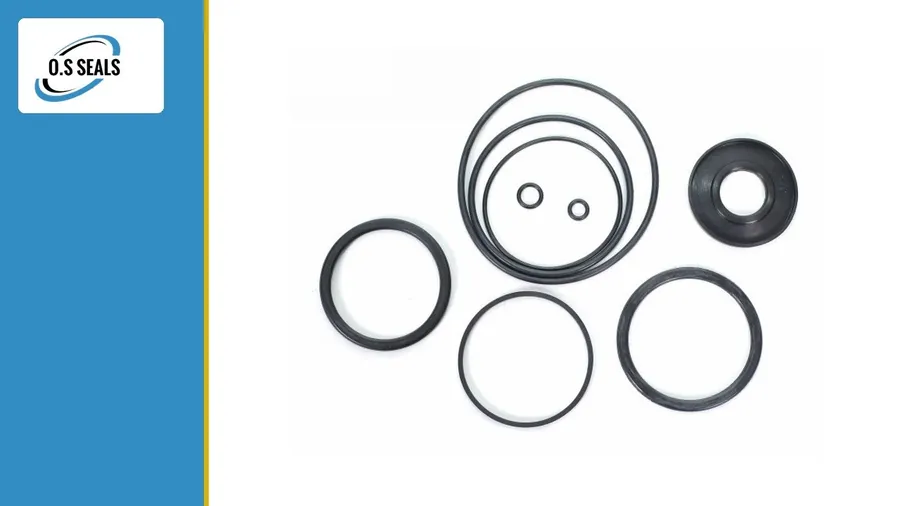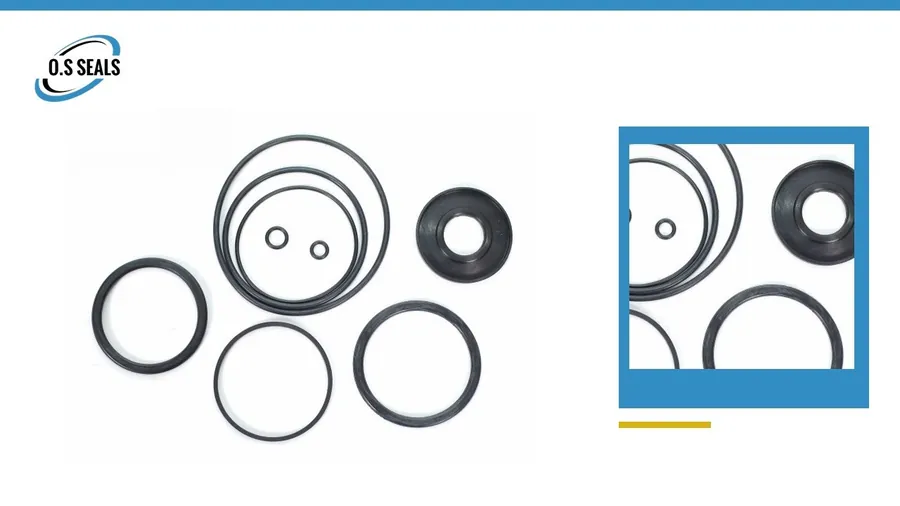
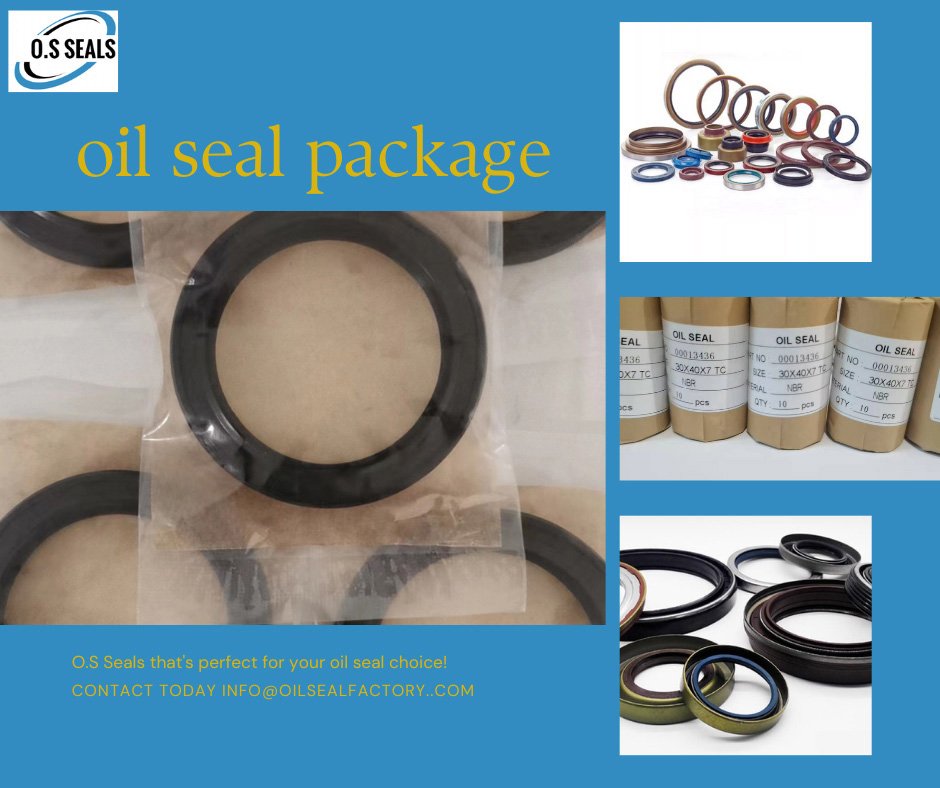
At O.S Seals, we are dedicated to delivering premium-quality oil seals designed for optimal performance in a variety of applications. To guarantee that you get the most value from our products, following proper storage and handling practices is essential. In this article, we will share expert tips tailored to the unique characteristics of oil seals, ensuring the longevity and effectiveness of your machinery.
1. Exclusive Storage in O.S Seals Packaging
Our oil seals are carefully sealed in packaging bearing the mark of O.S Seals. Ensure the longevity of their integrity by storing them exclusively in our branded packaging, shielding them from environmental elements and contaminants.
2. Ideal Storage Conditions for Seals
Select a storage environment that aligns with the conditions recommended by O.S Seals. A cool, dry, and well-ventilated space will maintain the exceptional properties of our oil seals, assuring that they are ready to perform when required.
3. FIFO System for O.S Seals Inventory
Implement the FIFO system to prioritize the use of our freshest stock first. This ensures that you always work with O.S Seals oil seals at their peak performance, adhering to our commitment to quality and reliability.
4. Handle with Care
When handling O.S Seals oil seals, care is crucial. Ensure that your hands are clean and follow our guidelines to prevent any potential transfer of contaminants. Our seals are designed with precision, and gentle handling preserves their exceptional quality.
5. Lubrication Best Practices
During installation, use lubricants recommended by O.S Seals to facilitate a smooth and efficient fitting process. Our oil seals are optimized for specific lubricants, ensuring compatibility and optimal performance.
6. UV Protection
Protect our oil seals from UV radiation, a potential threat to their longevity. Store them away from direct sunlight and UV sources to uphold their elasticity and chemical resistance, a testament to the durability of O.S Seals.
7. Regular Inspections
Periodically inspect oil seals stored in your inventory. Look out for any signs of damage or wear, and contact us promptly for replacements. Our commitment to quality extends beyond purchase to provide ongoing support.
Storage Conditions, In Numbers
The seven tips above are the practice. These are the numbers behind them, which is what a storekeeper needs when the shelf is next to a press and the door opens all day.
| Condition | Target | Why it matters |
|---|---|---|
| Temperature | 15 to 25 °C, steady | Every 10 °C above 25 °C roughly halves the useful storage life |
| Humidity | below 65% RH | Moisture attacks fabric-reinforced and PU parts, and rusts the case of a bonded seal |
| Light | dark, box closed | UV hardens the surface and starts cracks at the lip |
| Ozone sources | away from motors, welding, mercury lamps | Ozone cracks NBR within weeks, even at low concentration |
| Position | flat, or on a rod of the right size | A seal hung on a nail takes a permanent set at the lip |
| Load | no stacking of heavy boxes | Compression set starts under static load, not in service |
Two of these are usually broken in the same store. Seals kept in a cardboard box on a windowsill see both UV and 35 °C in summer, and a seal that has been there for two years is already older than its service life. The date on the bag matters more than the date on the catalogue.
How Long Seals Keep
Storage life is not the same as service life, and it depends on the compound. The figures below are indicative, following the material groupings in ISO 2230 and our own stock rotation.
| Material | Indicative storage life | What shortens it |
|---|---|---|
| NBR | 5 years | Heat, ozone, and contact with oil or grease |
| HNBR | 5 years | Heat above 40 °C in store |
| EPDM | 8 years | Mineral oil mist in the store, UV |
| FKM | 10 years | Very little; the main risk is mechanical damage |
| Silicone | 10 years | Dust pickup, which is hard to remove without damaging the surface |
| PTFE and PTFE-jacketed | no limit if clean | Creasing and contamination, not ageing |
These are starting points, not guarantees. A seal stored correctly for eight years can still fail on fitting if it has been dropped, and a seal stored badly for one summer may already be scrap.
When To Scrap Instead Of Re-store
Inspection before use is cheaper than a leak after assembly. Any one of these is enough to reject the part, even if it has never been fitted.
- Hardness changed by more than 5 Shore A against a stored reference sample
- Cracks visible at the lip or on the outer diameter, even fine ones
- Surface tacky, or a white bloom that does not wipe off
- Permanent set of more than 20% of the cross section
- Deformation from hanging or stacking that does not recover within an hour
- Oil or grease on the sealing lip before fitting
For the sizes themselves, the AS568 size chart covers the dash numbers, and the tolerance guide gives the dimensional bands a stored part still has to meet.
By following these tailored tips for storing and handling oil seals, you are investing in the sustained excellence of your machinery. We stand by the quality of our seals, and with these practices, you can be confident in their consistent, high-level performance. O.S Seals oil seals – optimizing machinery reliability with every application.